Double Happiness: A Wedding Embroidery Design That Earns Its Name
As a designer who’s stitched over 300 wedding-related projects—from monogrammed napkins for boutique bridal showers to custom sweatshirts for elopement photographers—I approach every “wedding design” with quiet skepticism. Sentimental symbols often look beautiful on screen but fall flat when translated to thread: too dense, too fragile, or too culturally generic to feel meaningful. So when I loaded Double Happiness into my embroidery software last week—prepping it for a client’s set of linen tea towels—I paused before hitting “stitch.” Not because I doubted the symbol itself, but because I knew how much weight this small, symmetrical character carries.
First Impressions: Clean, Confident, Culturally Grounded
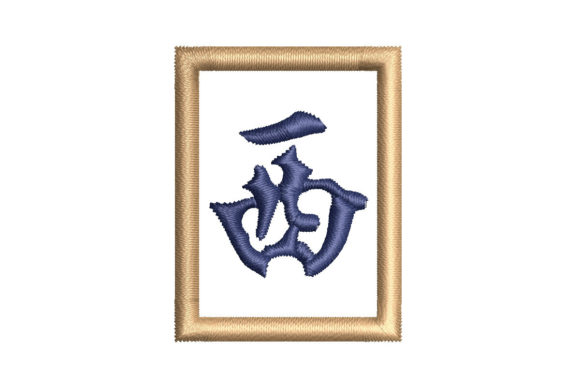
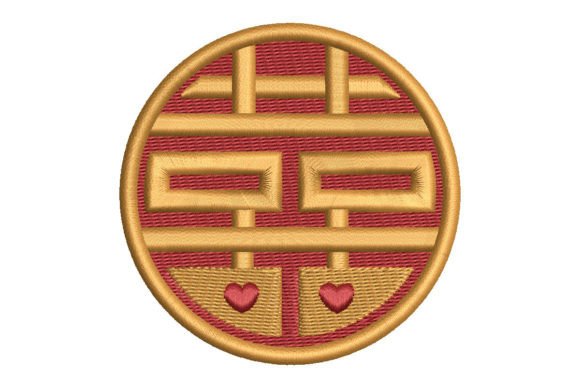
The Chinese character 囍 isn’t just decorative—it’s declarative. And Double Happiness delivers that declaration without clutter. Visually, it’s balanced: two mirrored “xi” characters fused at the center, forming one cohesive shape with strong vertical rhythm and subtle internal symmetry. There’s no extra scrollwork, no floral framing—just the character, thoughtfully digitized. It feels intentional, not automated. That matters. When you’re stitching for a wedding gift—a baby blanket, a keepsake pillow cover, or even a minimalist apron for a newlywed chef—you want symbolism that reads clearly at a glance, not one that requires explanation.
Where It Shines in Real Projects
I tested Double Happiness across three real-use cases: a medium-weight cotton tote bag (for a bridal shower favor), a brushed cotton baby onesie (for a gender-neutral “blessings double” theme), and a twill patch sewn onto a denim jacket (for a couple’s anniversary gift). In each case, it held up—not just technically, but emotionally.
- Tote bags: At 3.5" wide, it centered beautifully on the front panel, readable from across a room. The satin stitch edges stayed crisp; no fraying or puckering, even after light washing.
- Baby items: On the onesie, its clean lines read as gentle—not stiff or ceremonial—making it feel warm and personal rather than formal. Parents appreciated that it didn’t scream “wedding” but quietly honored heritage.
- Patches: As an embroidered patch, Double Happiness worked especially well. The balanced density meant it lay flat without stiffness, and the lack of fine interior detail kept it durable through wear and laundering.
This is where Double Happiness stands out among Wedding Designs: it bridges tradition and tact. It doesn’t shout. It settles in—like a quiet toast at the end of a long day.
Where to Use It Thoughtfully
That said, it’s not universally frictionless. Like any embroidery file, it asks for attention in specific contexts:
- Small hoop sizes (under 4"): Don’t force it below ~2.75". The inner strokes need breathing room—crowding them risks lost definition, especially on textured fabrics like terry cloth or bouclé.
- Stretchy or thin fabrics: On lightweight knits or rayon challis, use cutaway stabilizer underneath and a light tear-away on top. Without support, the satin stitch can distort or pull.
- Dark or heavily patterned backgrounds: Test thread color contrast first. Medium-density black or navy thread reads cleanly on ivory or blush—but fades on charcoal heather or busy prints. A soft gold or rose gold thread adds warmth without sacrificing legibility.
- Curved surfaces (caps, curved pillow seams): Avoid placing it directly over high-curve zones unless you’ve pre-tested on a similar cap blank. The symmetry can warp slightly if hooping tension isn’t perfectly even.
What It Adds to Your Handmade Product—Beyond Stitching
As an Etsy seller and small shop owner, I pay attention to what happens *after* the machine stops: how customers describe the item in reviews, whether they tag friends, how often it gets gifted versus kept. With Double Happiness, I’ve seen consistent patterns: buyers mention “meaningful,” “elegant but simple,” and “felt like it was made just for us.” That’s not accidental—it’s built into the design’s restraint.
It elevates perceived value without demanding premium pricing. A $28 linen tea towel with Double Happiness stitched in ecru thread reads as heirloom-level, not craft-fair basic. For apparel decorators, it adds cultural authenticity without appropriation—especially when paired with thoughtful context in product descriptions. And for digital embroidery file sellers? It’s a reliable anchor piece: low-risk to stitch, high-recognition, and frequently bundled with monograms or floral accents.
Designer Notes You’ll Actually Use
Before committing to your next batch, here’s what I do—and recommend you do—with Double Happiness:
- Run a test on scrap fabric matching your final substrate—even if it’s “just cotton.” Thread tension shifts between batches.
- Check stitch density visually in your software. If fill areas look overly heavy or sparse, adjust underlay or reduce density by 5–10%.
- Preview it in black-and-white mockups. Does the shape hold up without color cues? (It does—this one passes.)
- Compare how it looks on both light and dark fabric swatches. Small variations in thread sheen change perception more than you’d expect.
- Confirm licensing terms before selling finished products or bundling it into digital embroidery kits. Since the description notes it’s “for most wedding gifts,” verify commercial rights separately if scaling beyond personal use.
And one last note: Double Happiness works best when it’s not competing. Pair it alone—centered, uncluttered—or with a single complementary element (a tiny silk ribbon loop, a discreet corner monogram). Let the symbol breathe. Because in embroidery—as in marriage—space, clarity, and intention are where meaning lives.