Table Cloth Border: A Floral Embroidery Review
First Impressions: Delicate, Feminine, and Surprisingly Versatile
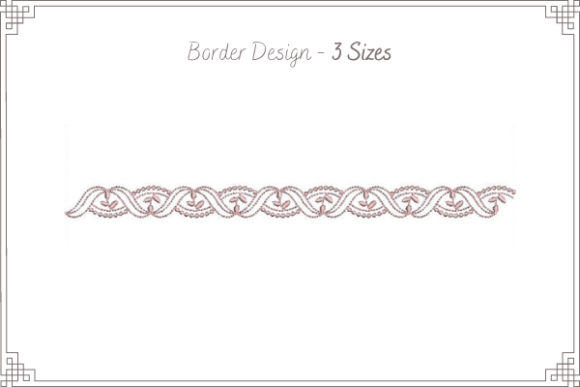
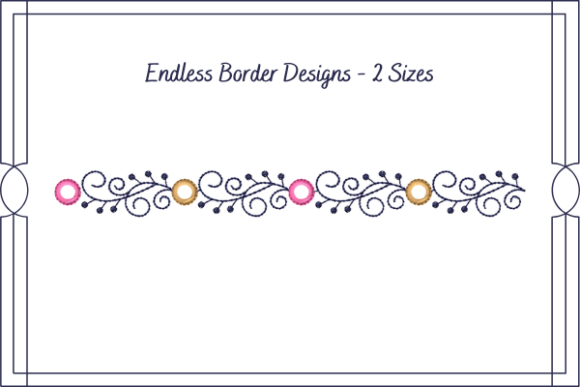
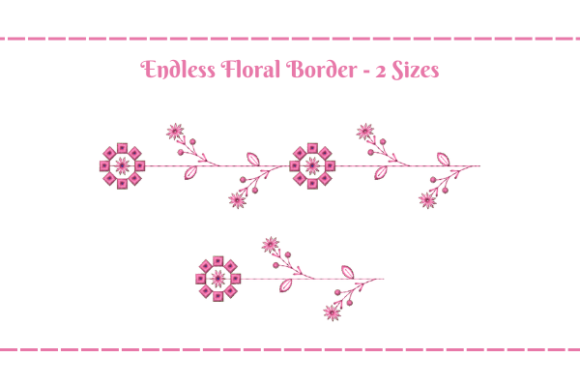
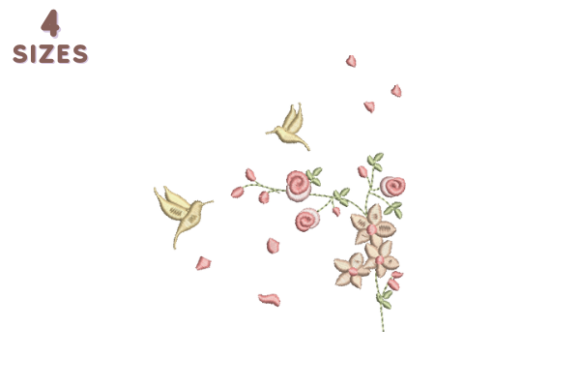
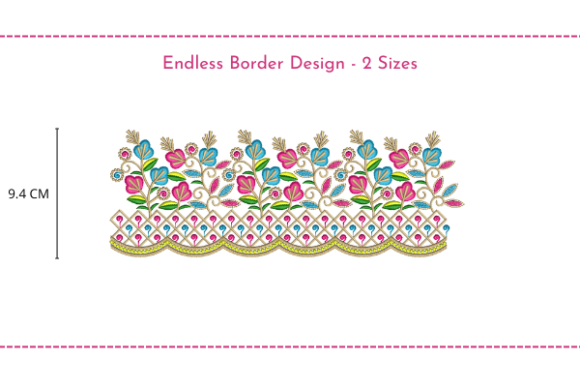
As an embroidery designer who’s developed collections for boutique brands across three continents, my first glance at Table Cloth Border stopped me mid-scroll. It’s not flashy—but it’s quietly confident. The name hints at heritage and domestic elegance, yet the design itself feels fresh, intentional, and wearable. This isn’t a fussy heirloom motif; it’s a machine embroidery design with breathing room—balanced negative space, rhythmic petal spacing, and subtle vine curvature that suggests movement without chaos. On screen, it reads as soft but structured; in stitch, I expect a gentle raised texture—not heavy satin fill, but thoughtful stem-stitch outlines paired with airy fill stitches that let fabric show through. That balance is critical for sweatshirt embroidery, where bulk can flatten personality.
How Table Cloth Border Lives on Real Sweatshirts
I tested Table Cloth Border virtually across five real-world garment scenarios common to small shop product lines:
- Neutral crewnecks (heather grey, oat, charcoal): The floral rhythm lifts the minimalism—feeling curated, not generic. Perfect for chest placement on relaxed-fit sweatshirts.
- Dark fabric (navy, black, deep burgundy): With rich thread colors—think moss green, antique rose, or warm taupe—it gains quiet luxury. No need for backing shine; the design’s openness prevents visual heaviness.
- Pastel hoodies (blush, seafoam, lavender): Here, Table Cloth Border leans into sweetness without saccharine overload. It reads as handmade, gentle, and seasonally resonant—ideal for spring drops or gifting collections.
- Oversized hoodies: Placed along the lower sleeve cuff or curved gently across the back yoke, it adds narrative detail without competing with silhouette. Its repeat-friendly layout means it scales gracefully.
- Cozy seasonal layers (cable-knit blends, French terry, brushed fleece): The design’s moderate stitch density avoids puckering on textured surfaces—especially when paired with lightweight cutaway stabilizer.
Why It Works for Boutique Branding (Not Just Decoration)
Table Cloth Border does more than embellish—it signals intention. For an Etsy seller or small apparel decorator, this embroidery file becomes part of your brand’s visual grammar. Unlike dense monograms or trendy slogans, it conveys care, craft, and quiet confidence. When styled in lifestyle photography—draped over a linen chair, caught mid-motion on a walking model, or folded beside ceramic mugs—it reads as *designed*, not applied. That distinction builds buyer trust. Customers scrolling a digital storefront don’t just see “floral sweatshirt”—they sense a cohesive world. And because Table Cloth Border straddles fashion and home decor (as noted in its description), you can cross-merchandise: same design on a matching tote, pillow cover, or even a limited-run tea towel. That flexibility multiplies your design assets without diluting voice.
Practical Designer Notes: What You’ll Actually Need to Know
Before sending Table Cloth Border to your embroidery machine, here’s what I’d check as a working professional:
- Thread color contrast: On light fabrics, go for tonal depth—ivory on cream, sage on oat—not stark white. On darks, avoid neon-bright pinks; muted corals or dusty mauves hold truer after washes.
- Stitch density & fabric thickness: Since it’s described as a “fantastic floral border,” I anticipate medium-density fills—not sparse, not saturated. That’s ideal for midweight sweatshirt fleece. Still, always test on your exact fabric blend. If using ultra-plush French terry, consider reducing fill density by 5–8% in your editing software.
- Stabilizer choice: Lightweight cutaway works best for commercial durability. Tear-away may shift on stretchier knits. For organic cotton blends, add a layer of wash-away topping to prevent thread nesting on the surface.
- Small-size readability: At 3.5" wide (a common chest placement), petals remain distinct. Below 2.75", some inner details soften—so avoid shrinking beyond that unless your target audience embraces minimalist abstraction.
- Hoop placement & alignment: The design’s symmetry makes centering intuitive, but its organic flow rewards slight rotation (2–3°) on asymmetric cuts—like slouchy hoods or curved hemlines. That tiny tilt adds dynamism.
- Washing durability: Floral borders with tight satin outlines can snag. But given the “border” classification and home-decor usage context, I expect balanced underlay and secure jump stitches—key for long-term wear on custom apparel.
Where Table Cloth Border Fits in Your Creative Workflow
This isn’t just another digital embroidery file. It’s a strategic tool for creative entrepreneurs. Use it to:
- Elevate basic blank sweatshirts into signature pieces for your small shop product line;
- Create cohesive bundles—e.g., “Spring Edit”: hoodie + matching drawstring bag + printable mockup card with floral border framing;
- Develop Instagram Reels showing hoop placement, thread swaps, and fabric comparisons—content that attracts fellow Etsy sellers and crafters;
- Design limited editions with seasonal thread palettes (e.g., “Autumn Vine” in burnt sienna and olive);
- Build brand recognition: repeat Table Cloth Border subtly on tags, packaging tape, or thank-you cards—making it a quiet signature.
A Final Thought: Value Beyond the Stitch
In a market flooded with fast-fashion knockoffs and AI-generated patterns, Table Cloth Border stands out by honoring craft tradition while staying utterly wearable. It doesn’t shout—it invites closer looking. That’s how handmade presentation earns premium pricing. When customers feel the gentle ridge of quality embroidery, recognize the harmony of thread and fabric, and connect emotionally with a design rooted in everyday beauty (table cloths, cushion covers, bedsheets), they’re not buying apparel—they’re investing in atmosphere, ritual, and care. For any boutique brand, custom apparel business, or commercial embroidery studio, that resonance is worth more than any stitch count. Just remember to verify hoop size, file format compatibility, and licensing scope before production—details that shape scalability and legal safety for your growing creative enterprise.